
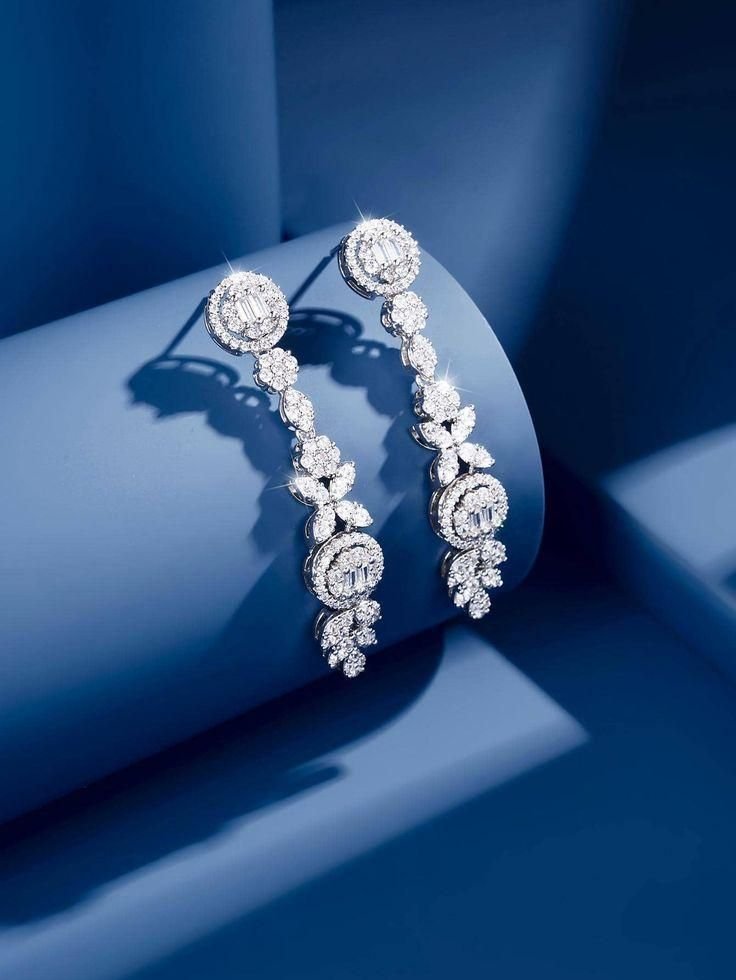
A Brief History of Earrings
Earrings are among the oldest forms of personal adornment, with evidence of their existence dating back to ancient civilizations. Archaeological findings suggest that earrings were first worn by the Sumerians in Mesopotamia as early as 2500 BC. These early forms of earrings were often made from precious metals like gold and were intricately designed, reflecting the artistic sensibilities of the time. As history evolved, so did the materials and styles of earrings, denoting a rich cultural significance.
In ancient Egypt, earrings became a popular accessory among both men and women, often embellished with gemstones and symbols representing protection and power. The pharaohs used earrings not only for decoration but also as symbols of their divine authority. Similarly, in ancient Greece and Rome, earrings took on a more elaborate approach. Wealthy individuals adorned themselves with intricate hoops and dangling shapes, highlighting their social status.
During the Middle Ages, earrings fell out of favor, as modesty and simplicity became dictated by societal norms. However, the Renaissance period saw a resurgence in earring fashion, with artisans creating detailed gold and silver pieces, often featuring pearls and precious stones. As Europe entered the 18th century, extravagant designs became commonplace, reflecting the opulence of the age.
In the 19th century, the advent of new technologies introduced mass production of earrings, making them more accessible to the general public. This democratization of fashion led to a multitude of styles, from delicate studs to bold chandeliers. Today, earrings continue to evolve, with contemporary designs ranging from minimalistic to avant-garde. The array of materials—ranging from traditional metals to sustainable options—demonstrates the ongoing innovation in the jewelry industry.
Types of Earrings and Their Styles
Earrings are a fundamental component of jewelry, serving not only as decorative pieces but also as expression of personal style. The variety of earring types available today allows individuals to express themselves in versatile and unique ways. Understanding the distinct styles can aid in selecting the perfect pair for any occasion.
Firstly, studs are perhaps the most universally recognized type of earring. Characterized by their simple design, they feature a small ornamental piece that attaches directly to the earlobe. Studs can vary in materials and design, from simple gold balls to elaborate gemstone creations, making them suitable for casual wear or formal events.
Hoop earrings, defined by their circular shape, have made a significant impact in contemporary fashion. Available in sizes ranging from small to large, hoops can be embellished or kept minimalist, allowing for various style choices. They are particularly appealing for casual outfits, although larger, statement hoops can elevate an elegant ensemble.
Drop earrings are favored for their elongated designs that dangle below the earlobe. They incorporate a variety of materials and styles, often including beads or gemstones, which add movement and sophistication, perfect for parties or formal gatherings. On the other hand, chandelier earrings present a more intricate design with multiple tiers that resembles a chandelier. These pieces are striking and serve as statement accessories, ideal for evening wear.
Lastly, ear cuffs are a modern addition to the earring family, designed to wrap around the outer ear. This type allows for creative expression and can complement both casual and avant-garde outfits. With various styles available, ear cuffs can convey a sense of edgy sophistication.
Each earring type offers unique characteristics, and understanding their styles can enhance one’s wardrobe by allowing for thoughtful choices that align with personal taste and occasion.
Materials Used in Earrings: From Precious to Practical
Earrings can be crafted from a variety of materials, each offering unique aesthetic and functional qualities. The most commonly used materials include precious metals such as gold and silver, which are favored for their durability and timeless appeal. Gold earrings, available in different karats, exhibit resistance to tarnishing and corrosion, while silver offers a more affordable option with a bright luster. However, silver does tarnish over time, necessitating regular maintenance to restore its shine.
In addition to metals, gemstones are often incorporated into earring designs. These stones can range from diamonds and emeralds to semi-precious stones like amethyst and turquoise, allowing for a stunning array of colors and styles. The choice of gemstone can significantly impact both the aesthetics and cost of the earrings, with natural stones generally commanding higher prices than synthetic alternatives. However, it is important to consider factors such as hardness and susceptibility to scratching, which affect wearability.
Alternative materials are also gaining popularity in the world of earrings. Acrylic, for example, is lightweight, affordable, and available in a plethora of vibrant colors, making it an excellent choice for fashion-forward designs. Similarly, wooden earrings are appreciated for their organic appeal and eco-friendliness; however, they may lack the durability of metals and can be prone to wear over time.
For those with sensitive ears, hypoallergenic options are essential. Materials such as surgical stainless steel or titanium are commonly used as they minimize allergic reactions, providing comfort without sacrificing style. Understanding the properties of various materials can guide consumers in selecting earrings that best meet their needs, preferences, and budget.
Caring for Your Earrings: Tips and Tricks
Maintaining the beauty and longevity of your earrings requires some diligence and care. The first step in proper earring care is to clean them regularly. Dust, makeup, and skin oils can accumulate on your jewelry, leading to tarnishing or dullness. For most earrings, a simple solution of warm water and mild soap can be effective. Use a soft cloth or a gentle brush to gently scrub the earrings, ensuring that you do not damage delicate components. Rinse them thoroughly and dry them with a soft, lint-free cloth.
Storage is also crucial in preserving your earrings. To prevent scratches and tangling, consider using a dedicated jewelry box or organizer. Plush-lined compartments or earring holders can help keep your earrings separate and protected. Avoid storing different metals together, as they can cause reaction and tarnishing. When traveling, it might be beneficial to use a specialized travel case designed to hold earrings securely.
Additionally, addressing common issues such as tarnishing promptly is vital. For silver earrings, using a silver polishing cloth can help restore their shine. In the case of gold-plated or fashion jewelry, take care to follow the manufacturer’s instructions for cleaning, as harsher materials can damage the finish. If you encounter damage, such as a loose gemstone or broken clasp, seek professional repair services to ensure that your earrings are returned to optimal condition.
Lastly, being mindful of how and when you wear your earrings can significantly contribute to their longevity. Remove them before engaging in activities that may cause wear and tear, such as sports or swimming. By incorporating these tips into your earring care routine, you can enjoy your cherished pieces for years to come.